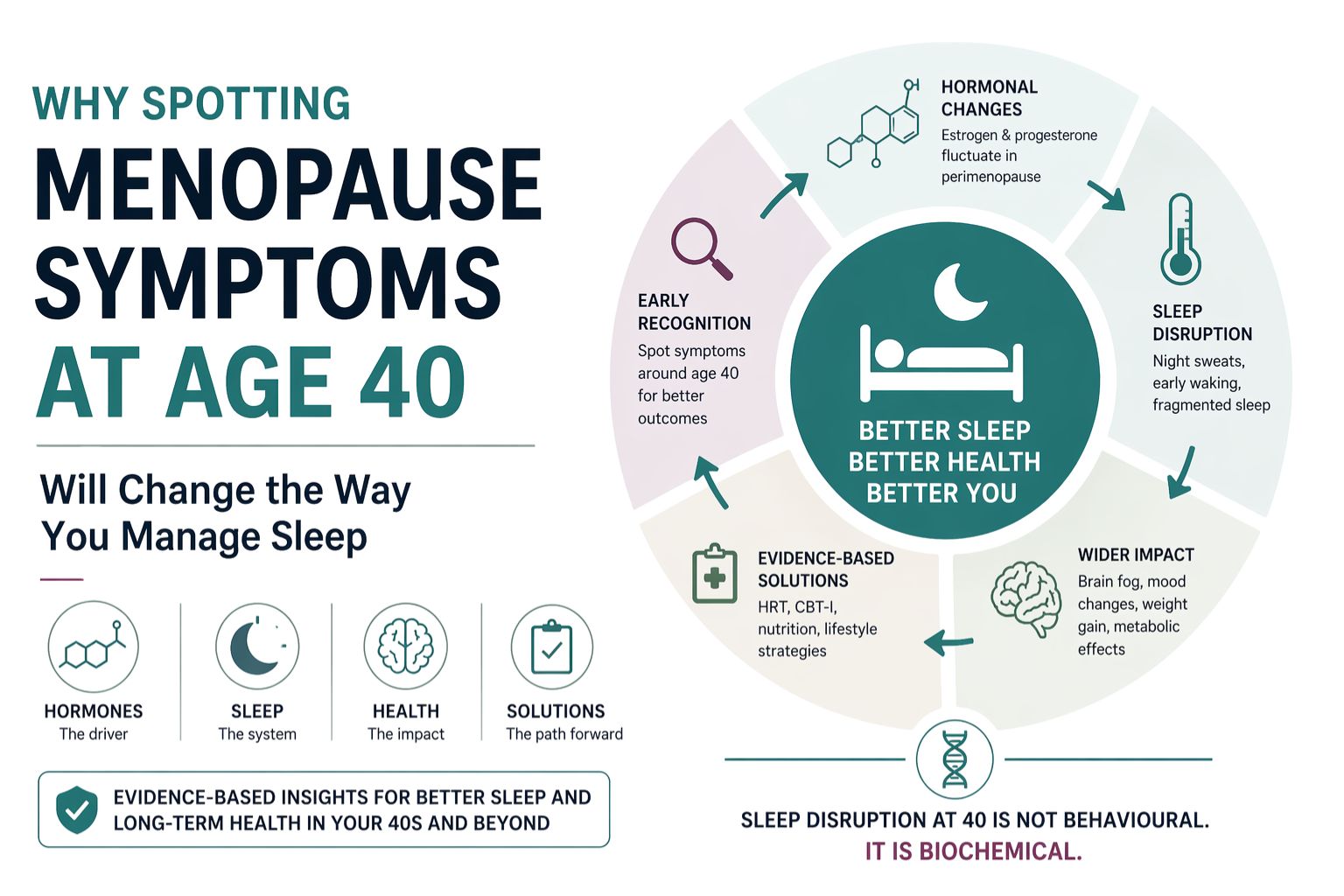
The transition into the fourth decade of life often signifies a shift in biological homeostasis. For many individuals, this period marks the onset of perimenopause, a transitional phase that precedes the formal cessation of the menstrual cycle. While the clinical definition of menopause requires twelve consecutive months without a period, the physiological shifts associated with perimenopause frequently begin as early as age 40. Among the most pervasive and disruptive symptoms of this transition is the deterioration of sleep quality.
Recognizing these symptoms at the onset of the fifth decade is not merely a matter of symptom identification; it is a fundamental shift in how sleep health must be managed. By distinguishing between age-related biological changes and hormonal fluctuations, individuals can move away from generic sleep hygiene and toward targeted, evidence-based interventions.
The Biological Foundation of Sleep Disruption at 40
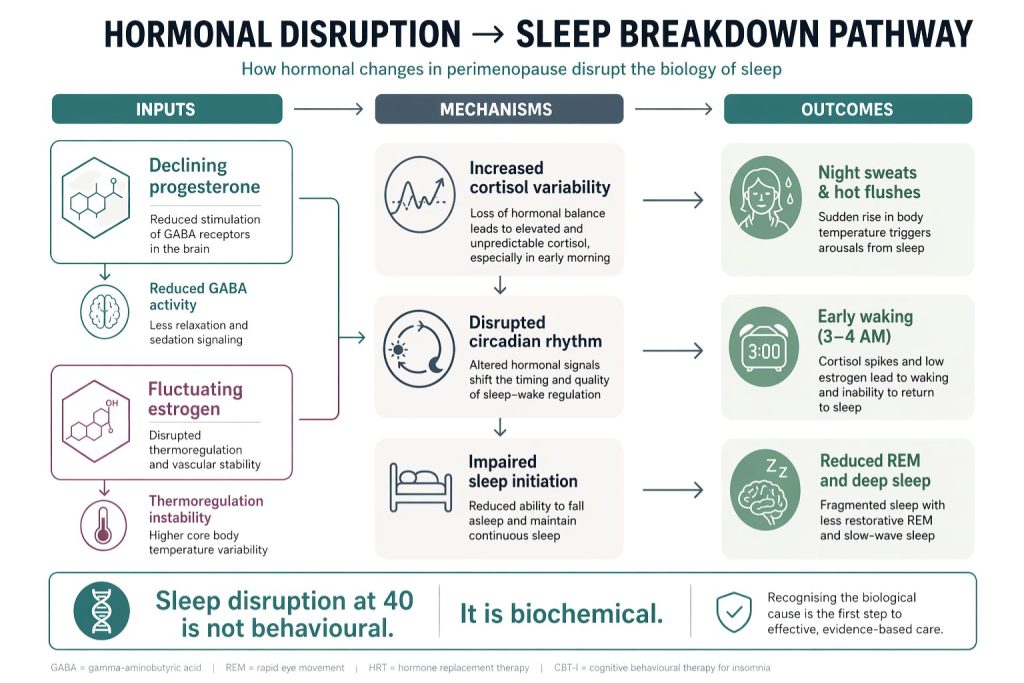
To understand why sleep management must change, one must first understand the biological mechanisms at play. The regulation of sleep is a complex interaction between the circadian rhythm and homeostatic sleep drive. During perimenopause, the steady production of estrogen and progesterone begins to fluctuate unpredictably.
Progesterone, in particular, possesses sedative and anxiolytic properties. It interacts with gamma-aminobutyric acid (GABA) receptors in the brain, which are responsible for promoting relaxation and facilitating the transition into sleep. As progesterone levels decline or become erratic around age 40, this natural sleep-promoting mechanism is compromised. Simultaneously, declining estrogen levels can disrupt the body’s thermoregulation, leading to vasomotor symptoms such as night sweats.
Understanding these changes requires a clear distinction between what ageing actually is and the specific pathological or hormonal shifts that occur during midlife. While some decline in sleep efficiency is a natural part of the ageing process, the abrupt and often severe disruptions seen in perimenopause represent a specific endocrine event rather than a general biological decline.
Distinguishing Hormonal Insomnia from Lifestyle Factors
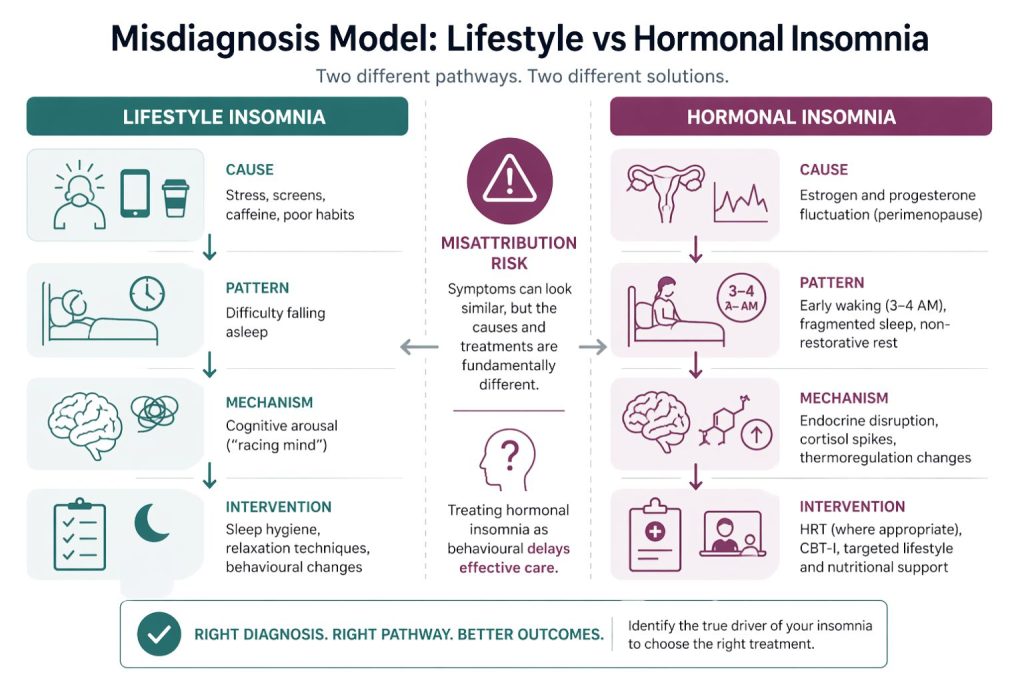
A significant error in sleep management after age 40 is the misattribution of sleep issues to lifestyle stressors or poor habits. While psychological stress, caffeine intake, and screen time undoubtedly influence sleep, hormonal insomnia operates through different pathways.
When an individual identifies perimenopausal symptoms early, they can separate these variables. Generic insomnia is often characterized by difficulty falling asleep due to cognitive arousal: the "racing mind." In contrast, perimenopausal sleep disruption often involves:
- Early Morning Awakenings: Waking up at 3:00 AM or 4:00 AM without the ability to return to sleep, often linked to cortisol spikes as estrogen levels drop.
- Fragmented Sleep Architecture: A reduction in deep, restorative REM sleep and slow-wave sleep, leading to a sensation of non-restorative rest.
- Vasomotor Interference: Abrupt awakenings caused by a sudden increase in body temperature and subsequent perspiration.
By identifying these as perimenopausal symptoms, the individual can transition their management strategy. Instead of simply increasing "sleep hygiene" efforts, such as darkening the room, they may need to address the underlying endocrine shifts. The platform provides several guides to help differentiate between these normal transitions and more significant health concerns.
The Cascade of Secondary Health Effects
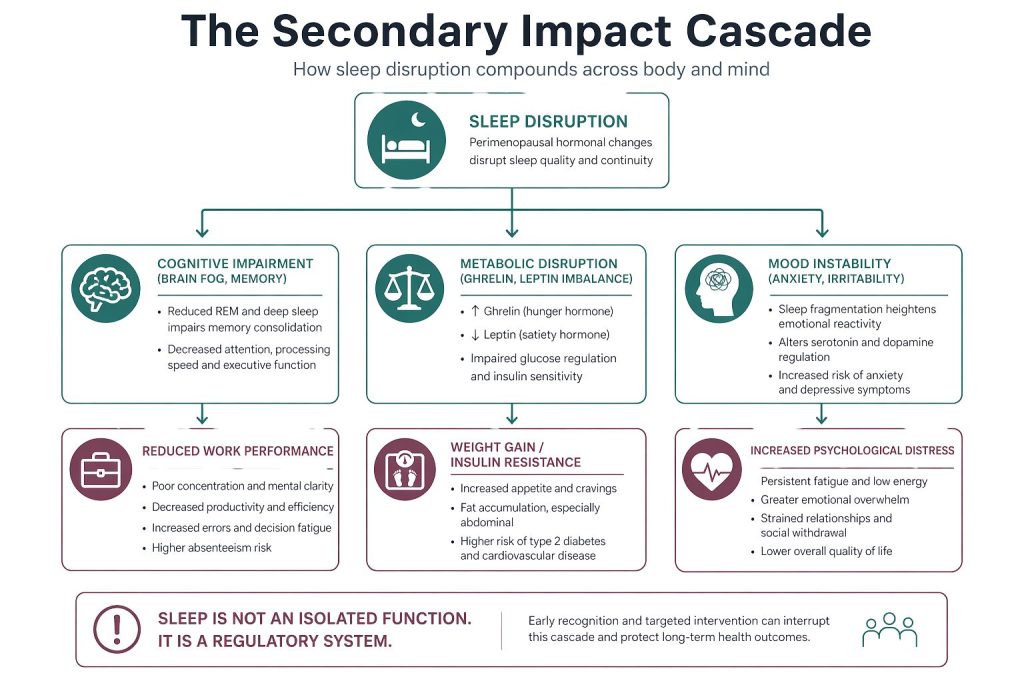
The importance of spotting these symptoms at age 40 cannot be overstated, as chronic sleep deprivation during perimenopause initiates a cascade of secondary health issues. Sleep is the primary period for neurological repair and metabolic regulation. When this process is interrupted, several systems are affected:
- Cognitive Function: Lack of sleep exacerbates the "brain fog" often reported during perimenopause. This interacts with declining estrogen to impact verbal memory and executive function.
- Metabolic Health: Sleep deprivation alters the proportion of hunger-regulating hormones, such as ghrelin and leptin, potentially leading to weight gain and insulin resistance.
- Mood Regulation: There is a bi-directional relationship between sleep and mood. Sleep fragmentation increases the risk of irritability, anxiety, and depressive episodes, which are already heightened by hormonal volatility.
Early recognition allows for a proactive rather than a reactive approach. If the root cause is identified as hormonal, the clinical strategy shifts toward stabilizing the endocrine environment rather than treating the psychiatric symptoms of sleep loss in isolation.
Redefining Management: Evidence-Based Interventions
When sleep disruption is recognized as a symptom of the menopausal transition at age 40, the management toolkit expands to include clinical interventions that go beyond traditional sleep aids.
Hormone Replacement Therapy (HRT)
For many, the most effective method to address perimenopausal sleep disruption is Hormone Replacement Therapy. By stabilizing estrogen and progesterone levels, HRT can significantly reduce night sweats and improve the neurological architecture of sleep. Decisions regarding HRT should be based on a thorough assessment of individual risk factors and medical history.
Cognitive Behavioral Therapy for Insomnia (CBT-I)
Research indicates that CBT-I is a highly effective non-pharmacological treatment for perimenopausal sleep issues. Unlike generic relaxation techniques, CBT-I focuses on the relationship between thoughts, behaviors, and sleep patterns, helping to recalibrate the brain's sleep drive which may have been disrupted by years of hormonal fluctuations.
Targeted Nutritional and Lifestyle Adjustments
While "sleep hygiene" is not a cure for hormonal shifts, certain adjustments can support the body during this transition. This includes maintaining a cooler sleeping environment to mitigate vasomotor symptoms and focusing on a diet rich in phytoestrogens or magnesium, which may support the nervous system. Understanding the ageing versus disease biological boundaries helps individuals determine when a lifestyle change is sufficient and when medical intervention is necessary.
The Importance of Clinical Credibility and Informed Decision-Making
Navigating health at age 40 requires access to credible, evidence-based information. The transition into perimenopause is often clouded by sensationalist claims or oversimplified advice. It is essential to consult with healthcare professionals who specialize in midlife health to separate natural biological progression from treatable conditions.
The platform serves as an educational resource to translate complex physiological data into practical guidance. For instance, understanding the normal aging brain changes can help individuals realize that while some changes are expected, the severe cognitive fatigue resulting from hormonal sleep loss is a manageable symptom rather than an inevitable decline.
Furthermore, it is important to assess whether other age-related conditions are contributing to sleep difficulties. Conditions such as sarcopenia (muscle loss) can impact physical comfort and metabolic health, which in turn affects sleep. Resources on 5 ways to spot sarcopenia symptoms provide additional context for the physical changes occurring alongside hormonal shifts.
Practical Guidance for the Transition
If you are 40 or older and experiencing changes in your sleep patterns, the following steps are recommended to facilitate informed decision-making:
- Symptom Tracking: Maintain a detailed log for at least two menstrual cycles. Note the quality of sleep, the presence of night sweats, and any correlations with your cycle.
- Consultation: Present this data to a healthcare provider. Specifically ask for an evaluation of perimenopausal symptoms rather than a general diagnosis of insomnia.
- Holistic Assessment: Use the is this normal framework to evaluate whether your symptoms align with typical perimenopausal transitions or if they suggest other underlying health issues.
Conclusion
Spotting perimenopause symptoms at age 40 is a transformative step in health management. It allows for a move away from the frustration of ineffective, generic sleep solutions and toward a strategy that addresses the physiological root of the problem. By understanding the interaction between hormones and the sleep-wake cycle, individuals can implement evidence-based interventions that protect their cognitive health, metabolic stability, and overall quality of life.
Effective sleep management in your 40s is not just about resting; it is about providing the biological support necessary to navigate a significant period of systemic change with resilience and clarity. Through education and proactive management, the transition through perimenopause can be managed with clinical precision and informed confidence.