A common perception persists that blood pressure naturally and safely escalates as a direct function of chronological age. This perspective, often summarized by outdated heuristics, suggests that a higher pressure reading is a benign byproduct of growing older. However, modern clinical evidence provides a more nuanced distinction between what is statistically common and what is physiologically normal.
At Understanding Ageing, the objective is to translate complex scientific research into clear, practical guidance. In the context of cardiovascular health, understanding the variables that drive blood pressure changes is essential for informed decision-making.
Here are seven evidence-based insights regarding the relationship between blood pressure and the ageing process.
1. The Distinction Between Common and Normal
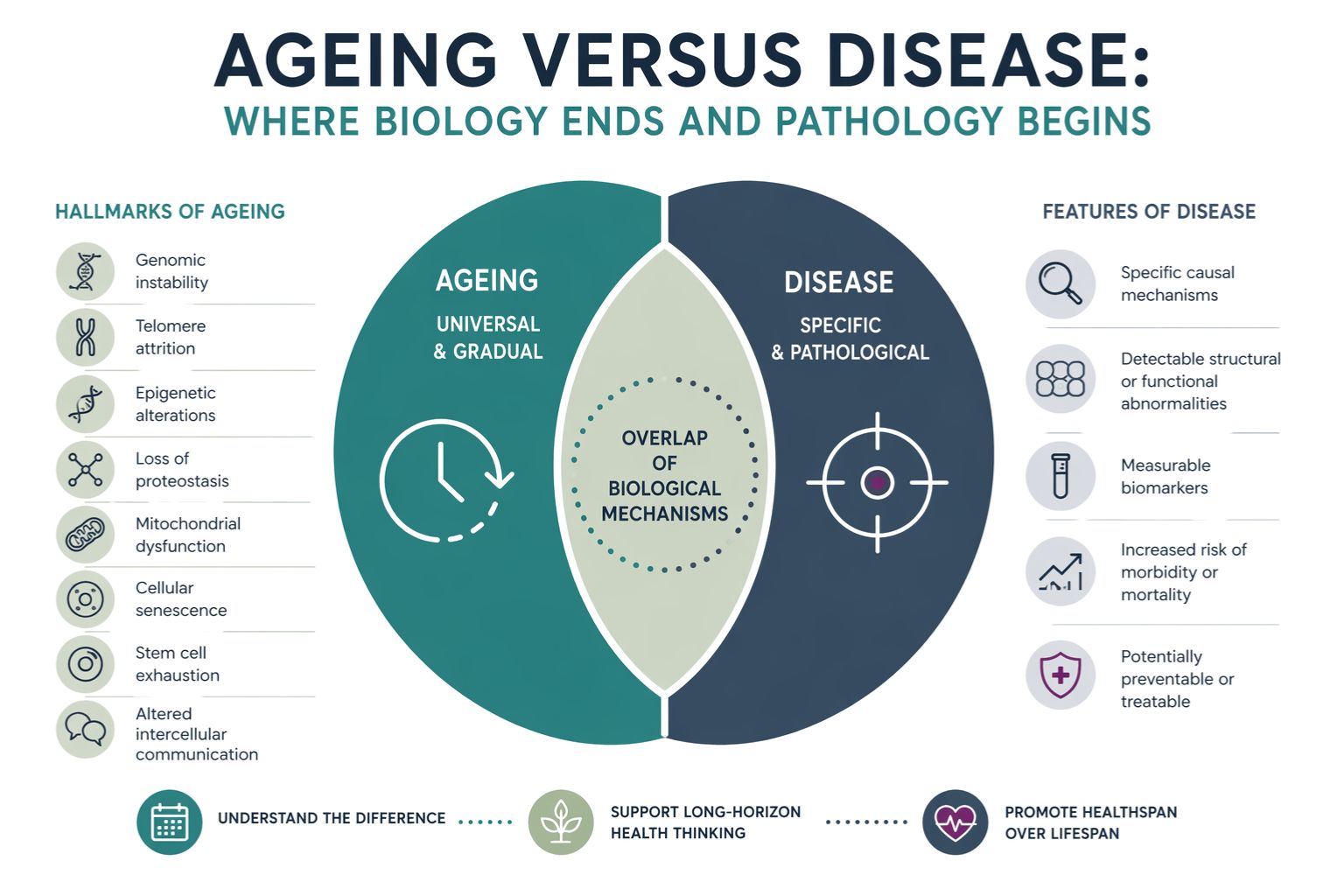
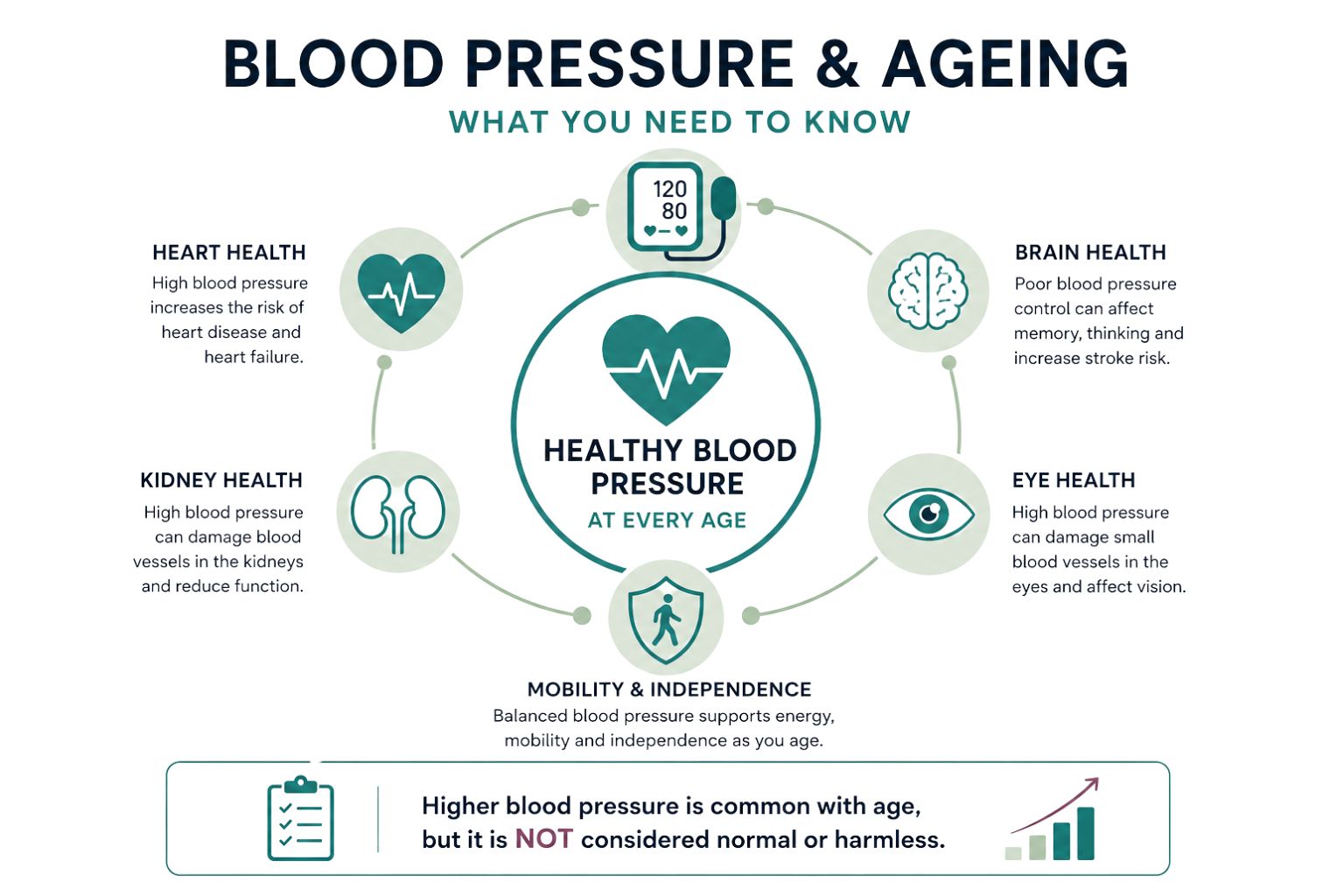
It is a statistical reality that blood pressure tends to rise in older populations within industrialized societies. However, clinicians now separate biological ageing from disease states more strictly than in previous decades. While a rise in pressure is common, it is not considered "normal" or healthy by contemporary medical standards.
Current guidelines from organizations such as the American Heart Association (AHA) and the World Health Organization (WHO) maintain that the definition of "normal" blood pressure: typically less than 120/80 mmHg: does not increase with age. The shift in medical consensus reflects the understanding that the cardiovascular risks associated with elevated pressure remain significant regardless of a person’s age. Accepting higher readings as an inevitable part of ageing can lead to the under-treatment of conditions that increase the risk of stroke and heart failure.
2. The Mechanics of Arterial Stiffness
The primary driver of age-related blood pressure changes is a process known as arterial stiffening. In a youthful state, the large arteries (such as the aorta) possess significant elasticity, allowing them to expand and recoil with each heartbeat. This elasticity buffers the pressure generated by the heart’s contraction.
As the body ages, several biological changes occur:
- Degeneration of Elastin: The elastic fibers in the arterial walls begin to fragment.
- Collagen Accumulation: Structural proteins like collagen increase, making the vessel walls thicker and less compliant.
- Calcification: Small deposits of calcium can further reduce the flexibility of the "pipes" in the circulatory system.
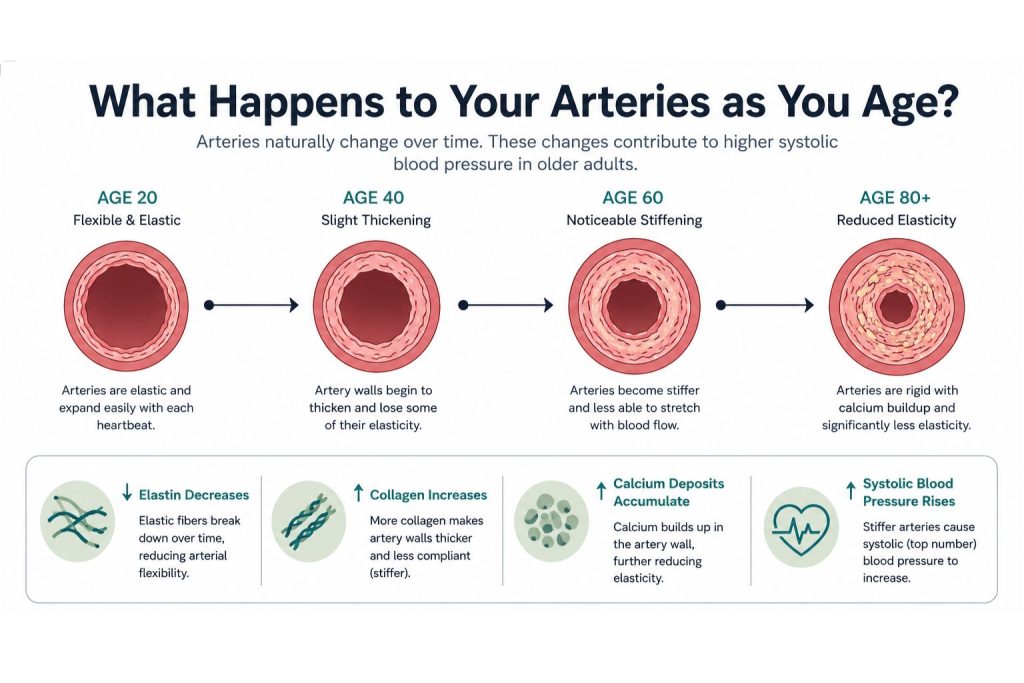
When the arteries lose their ability to stretch, the peak pressure during the heart's contraction (systolic) rises. This is an example of how biological changes across the lifespan directly interact with cardiovascular metrics.
3. The Divergence of Systolic and Diastolic Pressure
One of the most critical observations in geriatric cardiology is the way systolic and diastolic pressures behave differently after the age of 50. In younger adults, both numbers often rise in tandem. However, as arterial stiffness becomes the dominant factor, a phenomenon known as "Isolated Systolic Hypertension" often emerges.
Typically, systolic pressure (the top number) continues to rise throughout the lifespan. Conversely, diastolic pressure (the bottom number) often plateaus or begins to decline after middle age. This divergence results in a "widened pulse pressure": the numerical gap between the two readings. A wide pulse pressure is a strong clinical indicator of advanced arterial stiffness and is considered an independent risk factor for cardiovascular events.
4. The Impact on Cognitive Health
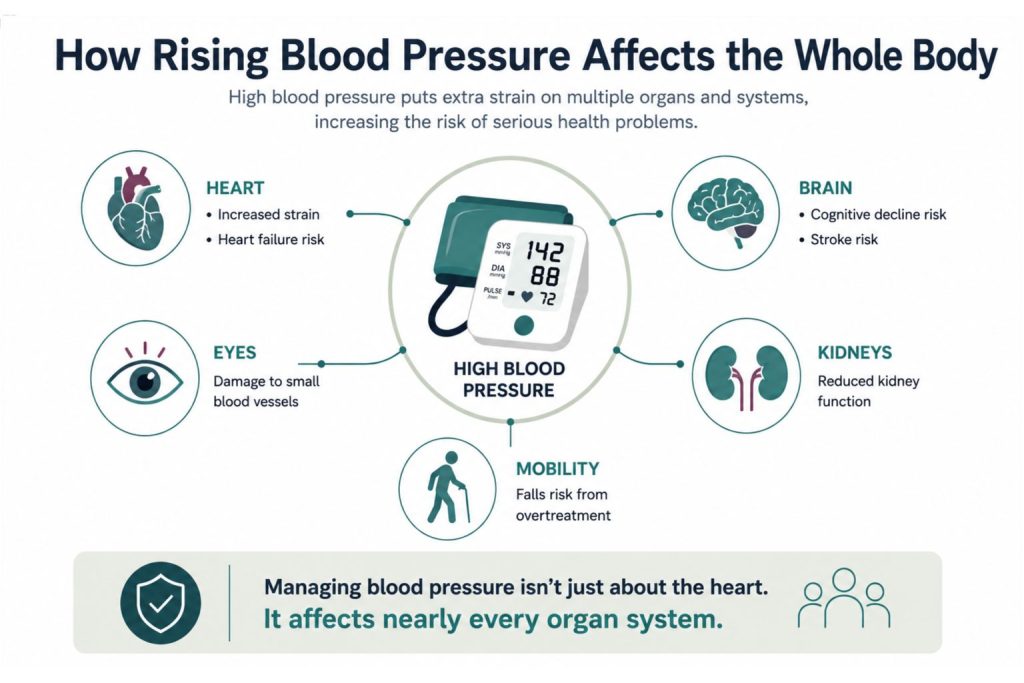
The relationship between blood pressure and ageing extends beyond the heart. The platform emphasizes the importance of understanding how vascular health influences the Brain and Cognition system. Chronic elevation in blood pressure, even if perceived as "mild," can damage the delicate microvasculature of the brain.
Evidence-based studies, such as the SPRINT-MIND trial, have demonstrated that intensive blood pressure control (targeting a systolic reading below 120 mmHg) significantly reduces the risk of developing mild cognitive impairment (MCI). This suggests that maintaining lower blood pressure is not merely about heart health, but is a fundamental strategy for preserving cognitive function as one ages.
5. Increased Sensitivity to Environmental Factors
As the biological systems that regulate blood pressure age, they often become more sensitive to external variables. One prominent example is sodium sensitivity. The kidneys’ ability to excrete excess salt often declines with age, meaning that a high-sodium diet may have a more pronounced effect on the blood pressure of a 70-year-old than a 30-year-old.
Furthermore, the endothelium: the inner lining of the blood vessels: produces less nitric oxide as we age. Nitric oxide is a critical molecule that signals the vessels to relax and dilate. The combination of decreased nitric oxide and increased sodium sensitivity means that lifestyle choices regarding nutrition and exercise have a disproportionately large impact on cardiovascular stability in later life.
6. The Role of Home Monitoring and "White Coat" Effects
For the ageing population, a single blood pressure reading in a clinical setting may not provide an accurate representation of vascular health. Older adults are statistically more prone to "White Coat Hypertension," where the anxiety of a medical environment causes a temporary, non-representative spike in pressure.
Conversely, some individuals experience "Masked Hypertension," where office readings appear normal while home readings remain elevated. To provide a credible assessment, the site recommends structured home monitoring.
Using a validated home cuff allows for multiple readings across different times of the day, offering a proportioned view of how lifestyle, environment, and genetics interact to influence daily pressure levels. This data is invaluable for healthcare professionals when determining if medical intervention is necessary.
7. Individualizing Treatment Targets
While the definition of "normal" is universal, the treatment of blood pressure in older adults requires a pedagogical approach that considers the whole person. Clinical guidance must balance the benefits of lowering pressure with the risks of over-treatment.
For some older individuals, particularly those with significant frailty, very aggressive blood pressure lowering can lead to:
- Orthostatic Hypotension: A sudden drop in pressure when standing up, which increases fall risk.
- Reduced Perfusion: If diastolic pressure falls too low (e.g., below 60 mmHg), it may limit blood flow to the heart muscle itself.
In these specific instances, a clinician might accept a slightly higher systolic target (such as 130–139 mmHg) to ensure safety and quality of life. This is not an admission that the higher pressure is "normal," but rather a structured observation of medical necessity and patient safety.
Conclusion
The notion that blood pressure increases are a harmless hallmark of ageing is not supported by current evidence. While arterial stiffening is a common biological process, the resulting elevation in pressure remains a primary driver of cardiovascular and cognitive decline.
By understanding the mechanics of these changes and utilizing tools like home monitoring, individuals can make informed decisions about their health. The goal of the Understanding Ageing platform is to guide users through these complexities, ensuring that age is never used as a reason to ignore treatable cardiovascular risks.